 The Fine Print
Nothing here was tested in a lab. Every line below is a synthesis of what verified buyers report in their own reviews, including the complaints, which is the part most roundups leave out.
As an Amazon Associate we earn from qualifying purchases. Product links below are affiliate links, and the price you pay is the same either way. Full disclosure.
There is one objective measure of whether a tent keeps rain out, and it is called hydrostatic head: the height of a column of water the fabric holds before it starts leaking through, measured in millimetres. Around 1,000mm is where fabric earns the word waterproof at all. Around 1,500mm handles real rain. 3,000mm handles a bad night.
The five tents below publish, in order: 3,000mm, 600mm, no number at all, 2,000 to 3,000mm, and one that states its rating as 0 to 2,000mm. A range whose floor is zero is not a specification, it is a shrug. The table below is what each seller actually printed, and the sections under it cover what those numbers mean and the two ways a dry tent still gets you wet.
The short answer
- The only real waterproof number hereForceatt 2-Person Waterproof Camping... 3,000mm hydrostatic head, aluminium poles, clip pitching, and 4.5 stars from 1,960 ratings, the largest sample in the group. Reviewers report staying completely dry through a full night of rain. One notes cold wind creeping in under the fly below freezing, which is a fly-to-ground gap rather than a leak.
- The one whose reviews beat its own specForceatt Camping Tent 2/3/4 Person... The listing publishes 600mm, which is below where fabric is normally called waterproof, and yet 4.5 stars from 1,494 ratings with buyers reporting zero leaks through torrential rain and festival-length trips. Worth knowing both facts. Several say the supplied pegs are flimsy and should be replaced straight away, which is a cheap fix.
- Roomiest, and seal the seams before you goRaynesys 4 Person Camping Tent... Four-person, and reviewers confirm both the 60-second setup and that a 6'1" camper stands up straight inside, with space for two cots and gear. The listing claims 2,000 to 3,000mm fabric and seam taping, and several reviewers nonetheless report water coming in at the seams. Pack a footprint and a tube of seam sealer.
- Fastest to pitchGolabs CT3 2 Person Camping Tent, Pop... Up in about a minute on pre-attached poles, with mesh on four sides that reviewers say keeps airflow up and bugs out. It publishes no waterproof number anywhere, only the phrase moisture resistant, and several buyers describe the material as thin or received one already torn. Fine for fair weather, not a wet-weekend tent.
- Most interior space for threeSpace Acacia Lite Camping Tent, 2-3... 4.2 from 540 ratings, eight windows, four pockets, and enough height for a 6'1" camper to stand. Its stated waterproof rating is 0 to 2,000mm, which tells you nothing you can rely on, and several reviewers report tents arriving used, defective or torn. Inspect it the day it lands.
All 5 compared
| Product | Waterproof rating | Sleeps | Setup | Rating | The catch |
|---|---|---|---|---|---|
| Forceatt 2-Person Waterproof Camping Tent | 3,000mm | 2 (sold as up to 3) | clip poles | 4.5 (1,960) | One reviewer said cold wind still crept in under the rain fly during... |
| Forceatt Camping Tent 2/3/4 Person, Waterproof &... | 600mm | 2 (sold as up to 4) | clip poles | 4.5 (1,494) | Several reviewers say the included tent pegs are flimsy, and recommend swapping... |
| Golabs CT3 2 Person Camping Tent, Pop Up, Pre-Attached... | No number (moisture resistant) | 2 (sold as up to 3) | pop-up, poles attached | 4.4 (168) | Several reviewers said the material feels thin, and some received tents... |
| Space Acacia Lite Camping Tent, 2-3 Person, Banyan | 0 to 2,000mm | 3 | pop-up, poles attached | 4.2 (540) | Some reviewers said their tent arrived used, defective, or torn. |
| Raynesys 4 Person Camping Tent, 60-Second Setup | 2,000 to 3,000mm | 4 | pop-up, poles attached | 4.2 (92) | Several warn it's not actually waterproof, water seeped in through the seams... |
Waterproof is a number, and most of these will not give you theirs
Hydrostatic head is measured by standing a column of water on the fabric and recording the height at which it starts coming through. It is a real, comparable, standardised figure, which is exactly why a seller with a weak one prefers adjectives.
On this page one tent publishes 3,000mm, which is genuinely good. One publishes 600mm, below the threshold at which fabric is usually called waterproof at all. One gives no number and offers the phrase moisture resistant instead. One states 0 to 2,000mm, a range that includes fabric which leaks immediately.
Note also that floors need a higher rating than the roof, because your knees and hips press water back up through the groundsheet. If a listing quotes one number for the whole tent, it is quoting the flysheet.
The seams leak before the fabric does
Fabric is the easy part. Water gets in through the thousands of needle holes along every seam, which is why factory seam taping exists and why its absence is the usual reason a tent with respectable fabric still wets out.
The clearest example is on this page. One tent's listing claims both 2,000 to 3,000mm fabric and seam taping, and several of its own reviewers report water seeping in through the seams during rain. Either the taping is not there or it is not holding, and from the outside those look identical.
A tube of seam sealer costs very little and takes an evening. On any budget tent, running it along the fly seams and the floor perimeter before the first trip is the highest-value hour you will spend on it.
A person rating is shoulder width, not comfort
Tent capacities are calculated by laying standard sleeping mats side by side with no gaps. That works out at roughly twenty inches per person, which is about the width of a pair of shoulders and leaves precisely nowhere for boots, packs or a dog.
The inflation is visible in the spec sheets here. One tent is sold in its own title as a 2, 3 and 4 person tent while its occupancy field says 2. Another is titled for 2 and 3 while the spec says 2.
The working rule is to take the number down by one for comfort, or by two if you are car camping and bringing gear inside. A four-person tent is a good two-person tent.
Condensation is not a leak, and it looks exactly like one
A sleeping adult breathes out and perspires roughly a pint of water over a night. In a sealed tent that moisture has nowhere to go, so it condenses on the coldest surface available, which is the inside of the flysheet, and then drips.
People wake to wet gear and conclude the tent leaked. The tell is location: a genuine leak shows at seams, zips and the floor perimeter, while condensation coats the whole inner surface evenly and is worst on a cold, still, humid night.
The fix is ventilation, which feels wrong when it is cold and wet. Leave the vents open, keep a gap at the fly, and do not cook or dry clothes inside. A tent with mesh on several sides, like two of these, condenses far less than a sealed one.
Pop-up tents trade a repairable frame for a minute of setup
Three of the five here pitch on pre-attached poles, and reviewers confirm the speed claims: up in about a minute, and one verified 60-second setup. That convenience is real and it is why people buy them.
The cost is that a pole is no longer a part. On a conventional tent a snapped pole section is a five-minute repair with a splint sleeve. On a pop-up the poles are sewn into the structure, so the same break is usually the end of the tent.
The complaint pattern here fits that. The recurring words on the pop-ups are thin, torn and defective, while the two clip-pole tents draw complaints about pegs and a draught. Different failure modes, and only one of them is fixable in a field.
The season label means nothing at this price
Four of these five are labelled 4 Season, including the one publishing 600mm of hydrostatic head. A genuine four-season tent has stouter poles, far less mesh, and a fly that reaches the ground, and it is heavy enough that you would notice.
As with sleeping bags, the season field is marketing copy sitting in a spec table, and nothing forces it to agree with the numbers beside it. Read the waterproof rating, the pole material and the amount of mesh instead.
None of that makes these bad tents. Two of them are extremely well reviewed. It means the label is not the thing to buy on.
Pitch it in the garden the week it arrives
Across these five, buyers report tents arriving with tears already in them, arriving used, and arriving defective. That is a quality control pattern rather than a design flaw, and quality control problems are the ones a return window exists for.
So pitch it at home while you can still send it back. Check the floor and fly for holes against the light, run every zip its full length, count the pegs and poles, and seam seal it while it is standing.
It also means you find out how it goes up somewhere with lighting and no rain, which is worth an hour on its own.
Every one, in detail
As an Amazon Associate we earn from qualifying purchases. Product links below are affiliate links, and the price you pay is the same either way. Full disclosure.
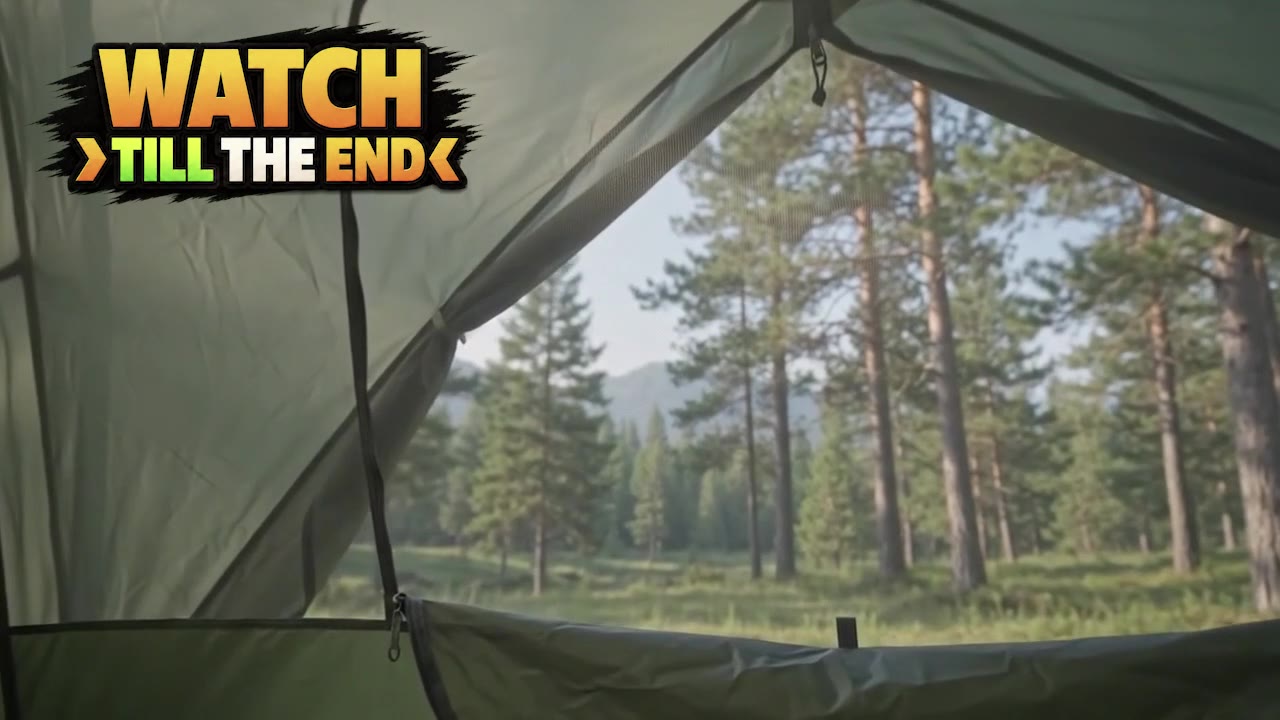
Forceatt 2-Person Waterproof Camping Tent
3,000mm · 2 (sold as up to 3) · clip poles
Reviewers say it's an incredible value for the price and sets up in just a few minutes.
The catch. One reviewer said cold wind still crept in under the rain fly during sub-freezing temperatures.
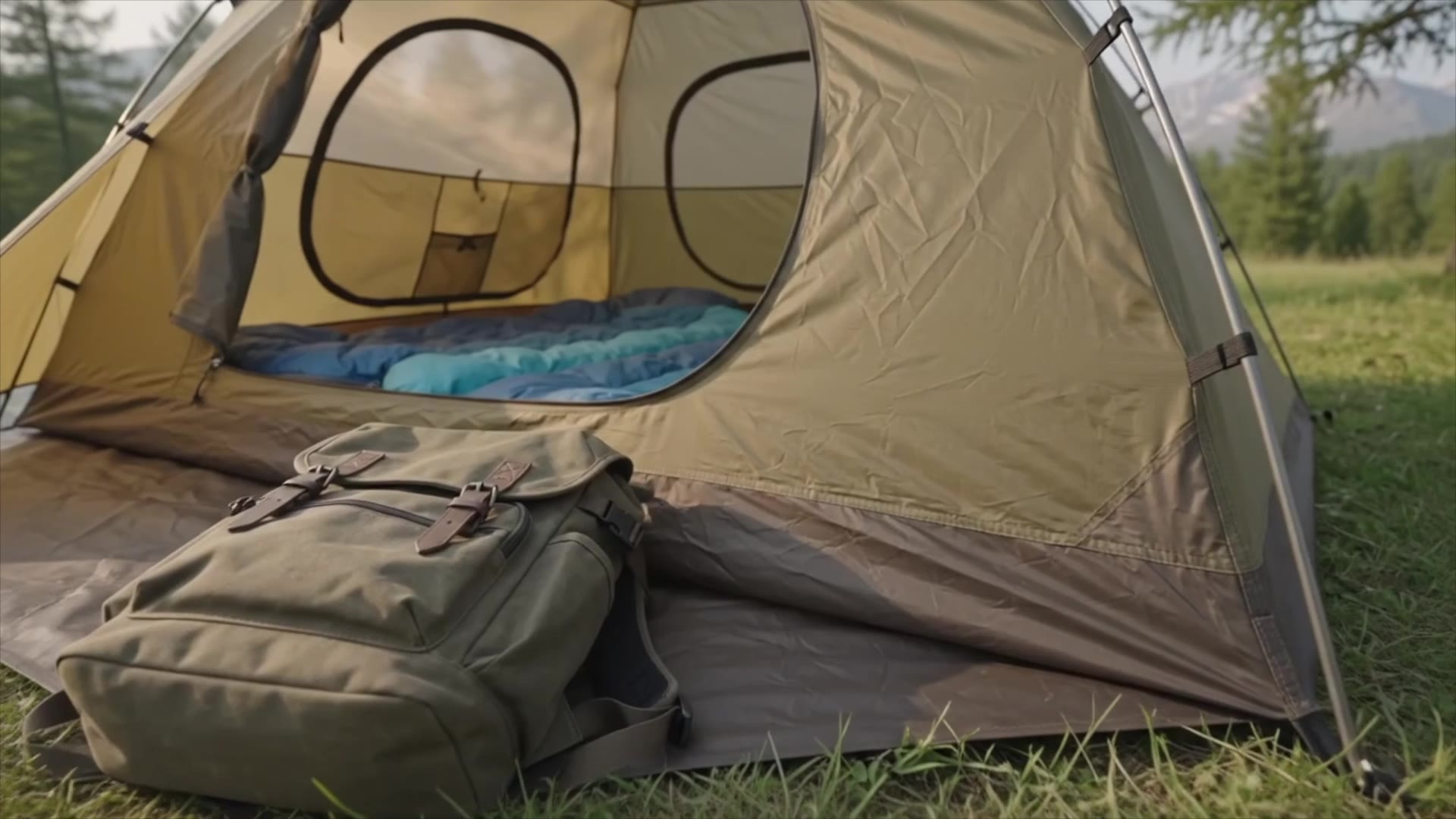
Forceatt Camping Tent 2/3/4 Person, Waterproof & Windproof
600mm · 2 (sold as up to 4) · clip poles
Reviewers say it kept them completely dry through torrential rain and gusty winds, with zero leaks even during festival-length trips.
The catch. Several reviewers say the included tent pegs are flimsy, and recommend swapping them for sturdier ones right away.

Golabs CT3 2 Person Camping Tent, Pop Up, Pre-Attached Pole
No number (moisture resistant) · 2 (sold as up to 3) · pop-up, poles attached
Reviewers say it pops up in about a minute thanks to the pre-attached poles, making setup nearly effortless.
The catch. Several reviewers said the material feels thin, and some received tents with tears already in them.
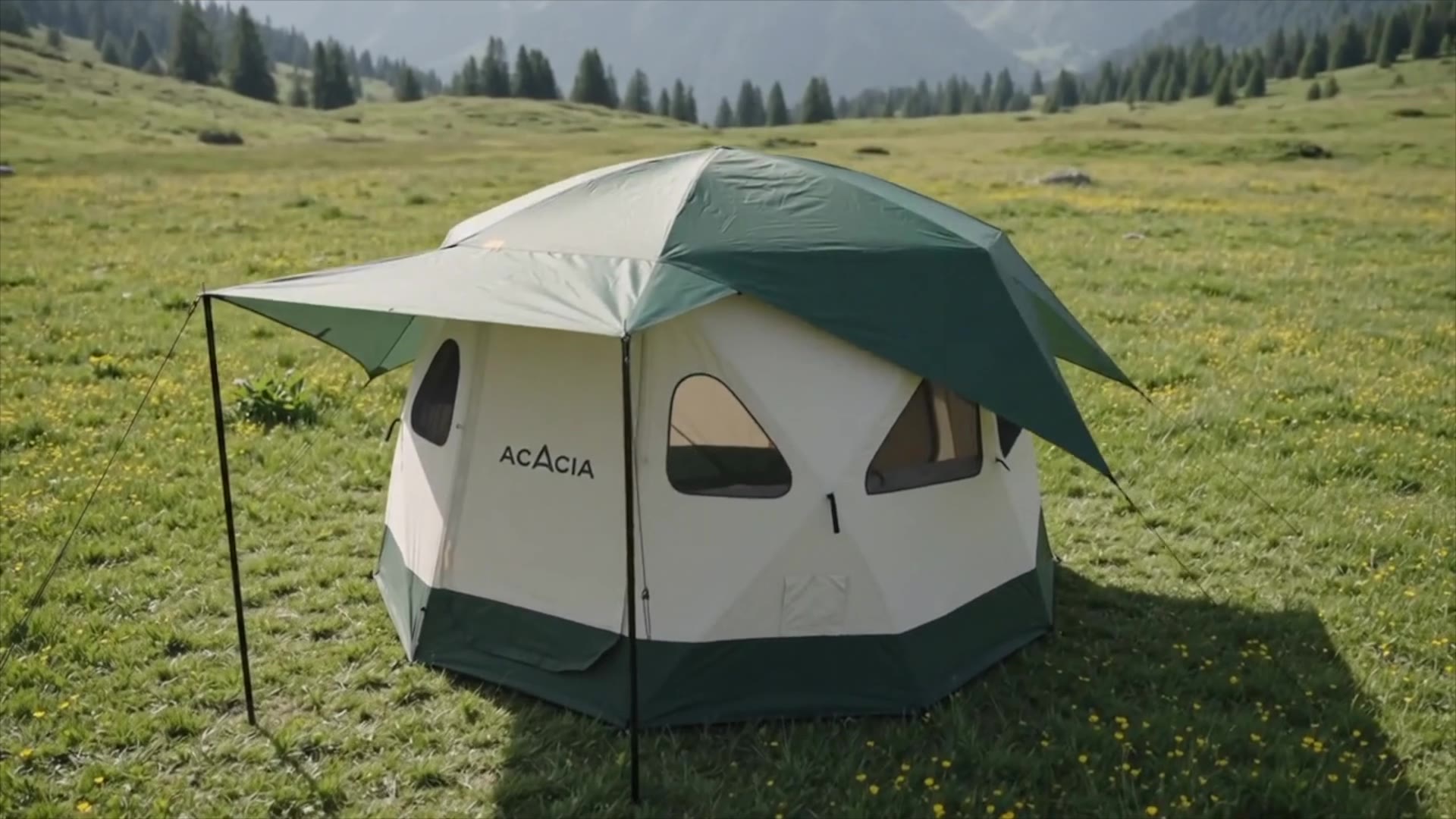
Space Acacia Lite Camping Tent, 2-3 Person, Banyan
0 to 2,000mm · 3 · pop-up, poles attached
Reviewers say setup is foolproof and fast, with one camper having it fully upright in just 3 minutes.
The catch. Some reviewers said their tent arrived used, defective, or torn.
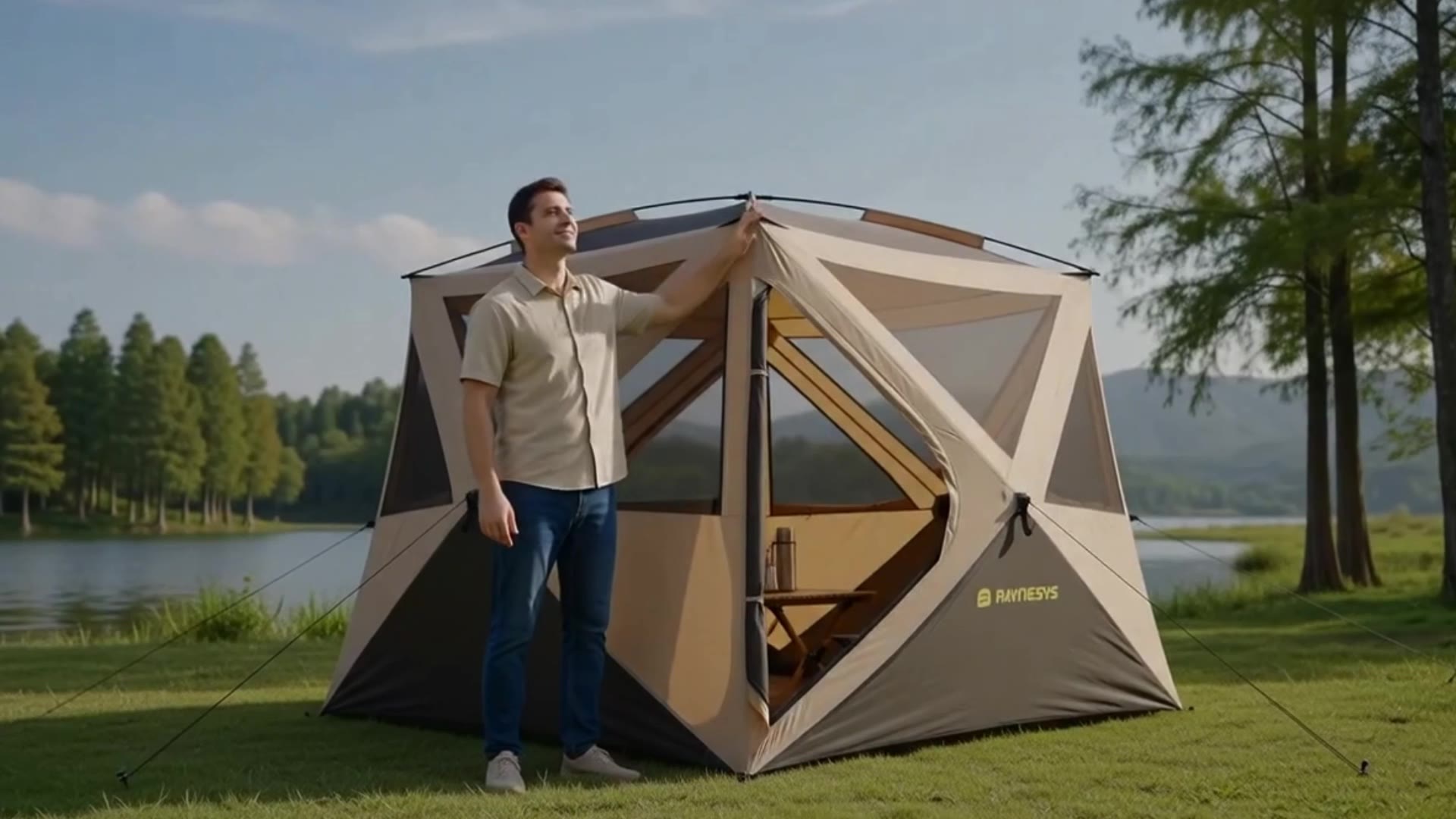
Raynesys 4 Person Camping Tent, 60-Second Setup
2,000 to 3,000mm · 4 · pop-up, poles attached
Reviewers say the 60-second setup claim is true, and even a 6-foot-1 camper could stand up straight.
The catch. Several warn it's not actually waterproof, water seeped in through the seams during rain, so pack a footprint tarp.
Questions people ask
- What does 3000mm waterproof actually mean on a tent?
It is hydrostatic head: the height of a water column the fabric holds before leaking. Roughly 1,000mm is where fabric can be called waterproof, 1,500mm handles real rain and 3,000mm handles a bad night. Floors need more than roofs because your weight presses water back through.
- Is a 4-person tent big enough for four people?
Only if none of them has luggage. Capacities are measured by laying sleeping mats edge to edge, about twenty inches each, with no space for gear. Take the rating down by one for comfort, or by two if you are car camping with kit inside.
- My tent got wet inside. Did it leak?
Possibly not. A sleeping adult gives off roughly a pint of moisture overnight and it condenses on the inside of the fly. A real leak appears at seams, zips and the floor edge; condensation coats everything evenly and is worst on cold still nights. Ventilate more than feels comfortable.
- Are pop-up tents any good?
For speed and fair weather, yes, and the setup claims here check out. The trade is that the poles are built into the tent, so a broken one usually ends it, where a conventional pole is repaired in the field with a splint.
- Does 4 season mean anything on a budget tent?
Very little. One tent on this page is labelled 4 Season and publishes 600mm of hydrostatic head. A true four-season tent has stronger poles, minimal mesh and a fly to the ground, and weighs accordingly. Read the waterproof number instead.
- What should I do the day the tent arrives?
Pitch it at home. Buyers here report tents arriving torn, used or defective, and the return window is the only protection against that. Check the fabric against the light, run every zip, count poles and pegs, seam seal it, and replace cheap pegs before the trip rather than during it.
More comparisons
- Portable Power Banks: what reviewers actually report
- Sleeping Bags: what reviewers actually report
- Waterproof Phone Pouches: what reviewers actually report
- Phone Battery Cases: what reviewers actually report
- Car Phone Mounts: what reviewers actually report
- Phone Screen Protectors: what reviewers actually report
- USB-C Wall Chargers: what reviewers actually report
- Desktop Charging Stations: what reviewers actually report
- Phone Tripods: what reviewers actually report
- Trailer Jacks: what reviewers actually report