 The Fine Print
Nothing here was tested in a lab. Every line below is a synthesis of what verified buyers report in their own reviews, including the complaints, which is the part most roundups leave out.
As an Amazon Associate we earn from qualifying purchases. Product links below are affiliate links, and the price you pay is the same either way. Full disclosure.
Seven of the ten below print 9H as their hardness. Two print the word Hard. One prints Tougher than 9H, which is a claim to be tougher than the top of the scale it is citing.
None of it means what buyers think, because 9H is a pencil. The rest of this page is what the spec sheets do and do not tell you, which brand draws the same complaint on every product it sells, and why the word cracked means two opposite things in these reviews.
The short answer
- The one with the most evidence behind itPrivacy Glass Screen Protector 2-Pack. 4.3 stars from 1,130 ratings, the largest sample here, and reviewers repeatedly single out the dust-removal installation frame as the thing that finally got them a bubble-free result. Two in the pack. One reviewer found it a fingerprint magnet and felt the privacy effect was weaker than advertised, which is the recurring theme across every privacy film on this page.
- Best score from a large sampleMAGIC JOHN for Samsung Galaxy S26... 4.5 from 947 ratings with over a thousand bought in the past month, which is the strongest combination of rating and volume here. Reviewers report fingerprint unlock continuing to work immediately with no rescan. One says it picked up micro scratches within a month, which is worth reading alongside the hardness section below.
- Best if you want matteBNCHI Anti-Glare Screen Protector... The only genuinely matte film in the group, and reviewers buy it for exactly that: less glare, far fewer fingerprints. It is also one of two listings whose own spec fields disagree about its finish. Reviewers say it does not eliminate glare entirely and the fingerprint sensor reads slightly slower through it.
- Highest rated, on a small sampleGolbinBox 2 Pack Screen Protector... 4.7 stars, the top score on the page, but from only 36 ratings, which is too few to lean on. Reviewers praise the alignment tray. One reports it stopped the fingerprint sensor working altogether, which on a phone with an under-display sensor is not a small problem.
- The only privacy film that states an angleiPhone 17 Pro Max Privacy Screen... Every other privacy protector here says privacy and stops. This one publishes 24 degrees, which is at least a number you could hold it to. Matte finish as well, so fewer smudges. Its complaint is alignment rather than privacy: reviewers say the glass does not always centre, leaving a sliver of screen exposed at one edge.
All 10 compared
| Product | Hardness claim | Type | Finish | Pack | Rating | The catch |
|---|---|---|---|---|---|---|
| GolbinBox 2 Pack Screen Protector for Samsung Galaxy... | 9H | clear | Glossy | 2-pack | 4.7 (36) | One reviewer says it didn't work with the phone's fingerprint sensor, so... |
| MAGIC JOHN for Samsung Galaxy S26 Screen Protector 2... | 9H | clear | Glossy | 2-pack | 4.5 (947) | One reviewer said it's not as durable as advertised, picking up micro scratches... |
| Pixel Privacy Screen Protector | 9H | privacy, anti-glare | Glossy | 2-pack | 4.4 (65) | Several reviewers say the privacy filter itself isn't very effective, staying... |
| Privacy Glass Screen Protector 2-Pack | 9H | privacy | Glossy | 2-pack | 4.3 (1,130) | One reviewer said their unit turned out to be a fingerprint magnet... |
| BNCHI Anti-Glare Screen Protector 2-Pack for Galaxy A17 | 9H | matte | Matte / Glossy (listing disagrees) | 2-pack | 4.3 (35) | A few reviewers say it doesn't completely eliminate glare, and the fingerprint... |
| ZAGG Glass Elite Samsung Galaxy S26+ Screen Protector | Hard | clear | Glossy | single | 4.2 (1,069) | Still, several reviewers warn theirs cracked during normal use, with one saying... |
| YMXbaomai Privacy Screen Protector for Galaxy S26 Ultra | 9H | privacy | Tempered Glass | 2-pack | 4.2 (4) | One reviewer said theirs wouldn't stick properly. |
| iPhone 17 Pro Max Privacy Screen Protector | Tougher than 9H | privacy, matte | Glossy / Matte (listing disagrees) | 2-pack | 4.1 (85) | Some reviewers say the glass doesn't always center perfectly, leaving a thin... |
| ZAGG Glass+ Samsung Galaxy S26 Ultra Screen Protector | Hard | clear | Glossy | single | 4.0 (967) | Some reviewers say it cracked on its own with no drop, and the edges chipped... |
| ZAGG Glass XTR5 Samsung Galaxy S26 Screen Protector | 9H | anti-glare, blue light | Glossy | single | 4.0 (406) | Some warn it cracks easily within months, and warranty replacements still cost... |
9H is a pencil, not a diamond
The 9H on a screen protector comes from ASTM D3363, the pencil hardness test. You drag pencils of increasing hardness across a coating and record the one that first scratches it. The scale runs from 6B at the soft end to 9H at the hard end. 9H is simply the hardest pencil in the set.
People read it as a 9 on the Mohs mineral scale, where 9 is corundum, one step below diamond. It is not remotely the same thing. Tempered glass sits around 6 to 7 on Mohs, and quartz, which is what ordinary sand is, is a 7. That is why a pocket with grit in it scratches a protector that is advertised as 9H, and why one reviewer here reports micro scratches within a month on a film that carries the number.
Effectively every tempered glass protector passes the pencil test, which is why effectively all of them print 9H. It is not a lie and it is not a differentiator. When a listing on this page goes further and claims Tougher than 9H, it is claiming to beat the top of a scale, which tells you how much the number is worth.
Cracked means two opposite things in these reviews
Read the complaints on this page carefully and there are two completely different events hiding under the same word.
One reviewer writes that their protector cracked in a drop and the phone screen underneath was untouched. That is not a fault. That is the entire product working exactly as designed: the glass is meant to be the thing that breaks. A protector that survives every drop while the screen behind it shatters would be the failure.
The other event is a protector splitting with no impact at all. One reviewer here says theirs split down the middle without ever being dropped, another that the edges chipped within weeks of normal use. That is a defect, and it is the complaint worth weighting when you compare these.
So when you read reviews on any protector, sort the one-star reviews into those two piles before you draw a conclusion. A product with lots of it cracked but saved my phone is doing well. A product with lots of it cracked sitting on my desk is not.
All three ZAGG products here draw the same complaint
ZAGG is the premium name in this group and markets accordingly: 3x stronger, 5x stronger, 11x stronger graphene-infused. Three of its products survive into this comparison, and every one of them carries a review reporting cracking with no impact.
They also hold the two lowest scores on the page, and they are the only three that ship a single protector where every other listing here gives you two. On a product whose job is to be sacrificed, a spare is not a minor difference.
In fairness, ZAGG products also carry the clearest examples of the good kind of cracking, with reviewers describing a hard drop that destroyed the protector and left the screen perfect. Both things are true at once. What the pattern says is that the strength multipliers on the box are not predicting the failure rate in the reviews.
The clarity figure is published on at least two different scales
Five of these listings fill in a spec field called Clarity. The values are 9, 10, 10, 95 and 99.9.
Those cannot all be the same measurement. Two of them are evidently a percentage of light transmission, which is a real and useful figure. The others are on some ten-point scale, and nothing on the listing says which is which.
It is the same failure as the tent waterproof ratings elsewhere on this site: a field that looks like a specification, is filled in by the seller with no defined units, and therefore cannot be used to compare one product against another. Ignore it.
Two listings disagree with themselves about the finish
Amazon listings carry both a Finish Type field and a Screen Surface Description field, and nothing forces them to agree. On two products here they flatly contradict: one says Matte in the first and Glossy in the second, the other says Glossy in the first and Matte in the second.
Both of those products are, from the reviews, genuinely matte. So the error is in the paperwork rather than the product. But it means the spec table alone cannot tell you what you are buying, and if the finish matters to you, the reviews are the only reliable source.
Both fields are shown in the table above, side by side, where they disagree.
Privacy filters, and the angle almost nobody publishes
Four of these ten are privacy films. A privacy filter works by building microscopic louvres into the layer so light only escapes within a narrow cone. The number that matters is the viewing angle at which the screen goes dark, and exactly one listing here states it: 24 degrees.
The other three say privacy and leave it there, and two of those three carry a review saying the effect is weaker than expected, with the screen still readable from wider angles than the buyer hoped. With no published angle there is nothing to hold them to.
Worth knowing before you buy: the same louvres that block a stranger also cut brightness for you, so a privacy film is dimmer in sunlight and drains more battery as you compensate. If you want one, prefer the one that tells you its angle.
Under-display fingerprint sensors are the thing to check first
A sensor that reads your fingerprint through the screen has to read it through the protector too, and the extra millimetre of glass and adhesive is enough to degrade it. Several listings here advertise fingerprint compatibility as a feature precisely because it is not guaranteed.
The outcomes in these reviews range from no difference at all, through slightly slower, to one buyer whose sensor stopped working with the film fitted. That last one is on the highest-rated product on the page, which tells you the risk is not confined to the cheap end.
Test it the day you fit it. If unlock has got worse, re-register the fingerprint with the protector already on, which fixes most cases. If it still fails, that is a return, and it is far easier in week one than in month three.
Every one, in detail
As an Amazon Associate we earn from qualifying purchases. Product links below are affiliate links, and the price you pay is the same either way. Full disclosure.
GolbinBox 2 Pack Screen Protector for Samsung Galaxy S26 Ultra 6.9" (2026), 9H+ Tempered Glass, Fingerprint Compatible, Auto-Alignment Install Kit, HD Clear, Case Friendly
9H · clear · Glossy · 2-pack
Reviewers say the alignment tray makes setup nearly foolproof, with no bubbles or dust.
The catch. One reviewer says it didn't work with the phone's fingerprint sensor, so biometric users should be cautious.
MAGIC JOHN for Samsung Galaxy S26 Screen Protector 2 Pack
9H · clear · Glossy · 2-pack
Reviewers say the install is fast and bubble-free if you follow the video guide closely.
The catch. One reviewer said it's not as durable as advertised, picking up micro scratches within a month.
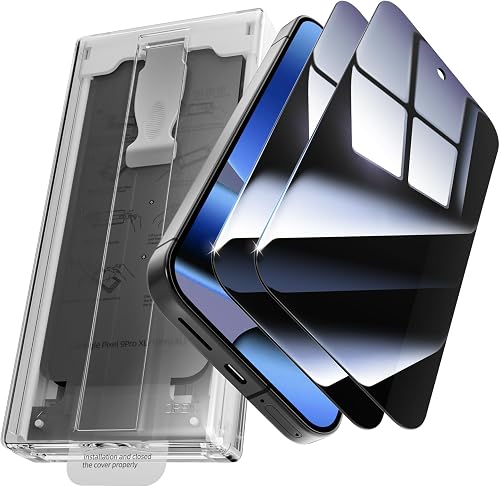
Pixel Privacy Screen Protector
9H · privacy, anti-glare · Glossy · 2-pack
Reviewers say installation is simple thanks to the alignment kit, which helps avoid bubbles during setup.
The catch. Several reviewers say the privacy filter itself isn't very effective, staying visible from wider angles than expected.
Privacy Glass Screen Protector 2-Pack
9H · privacy · Glossy · 2-pack
Reviewers say the dust-elimination installation makes it genuinely easy to apply without bubbles, with several calling it the best screen protector they've used.
The catch. One reviewer said their unit turned out to be a fingerprint magnet with noticeable bubbles, and felt the privacy effect wasn't as strong as advertised.

BNCHI Anti-Glare Screen Protector 2-Pack for Galaxy A17
9H · matte · Matte / Glossy (listing disagrees) · 2-pack
Reviewers like the matte finish for cutting down glare and fingerprints.
The catch. A few reviewers say it doesn't completely eliminate glare, and the fingerprint sensor can be a touch less responsive.
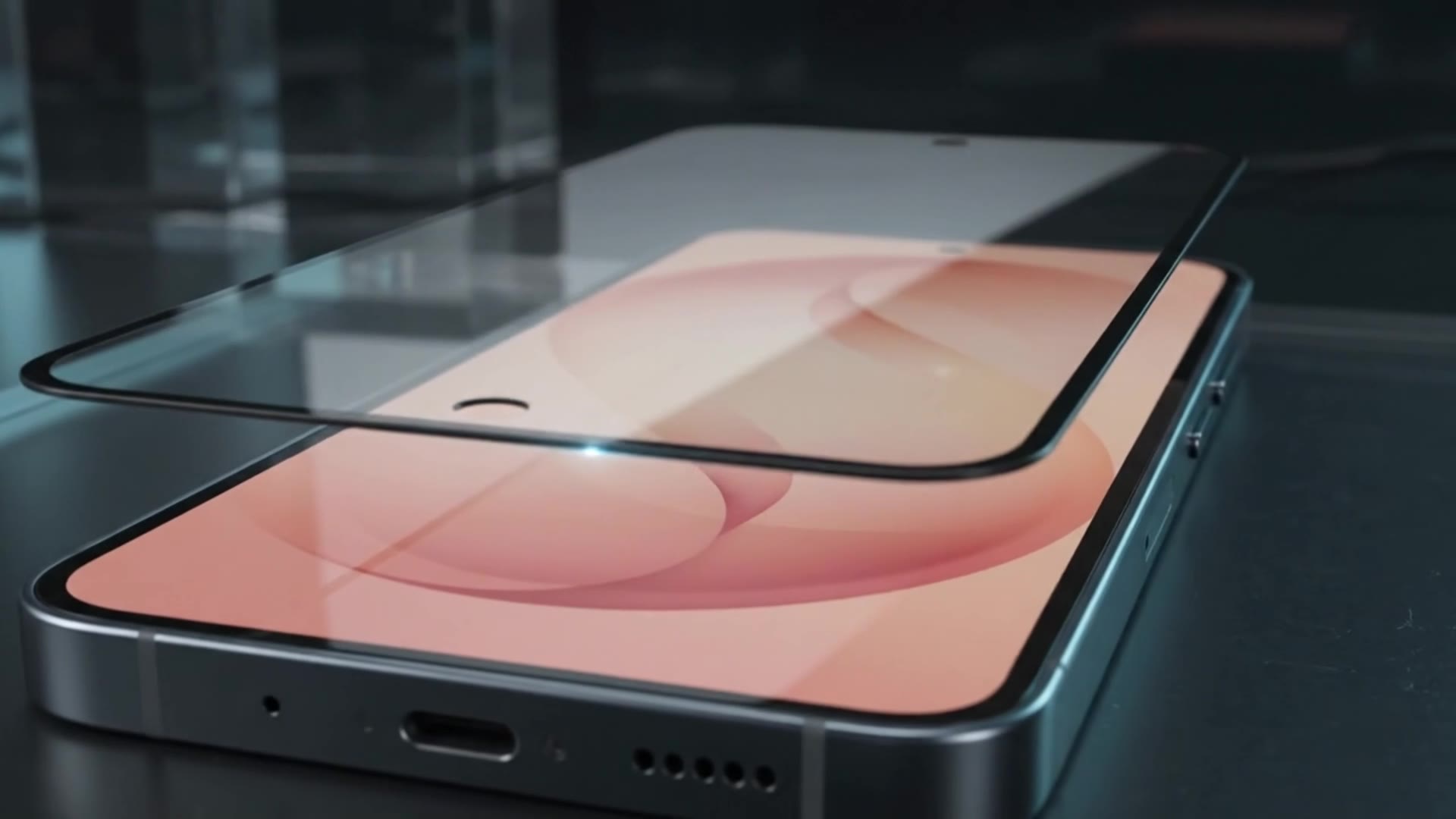
ZAGG Glass Elite Samsung Galaxy S26+ Screen Protector
Hard · clear · Glossy · single
Reviewers say installation is fast and nearly bubble-free, even for shaky hands.
The catch. Still, several reviewers warn theirs cracked during normal use, with one saying it split down the middle without ever being dropped.
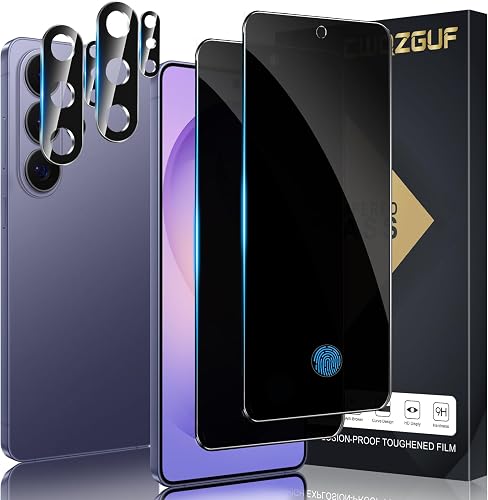
YMXbaomai Privacy Screen Protector for Galaxy S26 Ultra
9H · privacy · Tempered Glass · 2-pack
Reviewers like that camera lens protectors come included alongside the screen protectors.
The catch. One reviewer said theirs wouldn't stick properly.
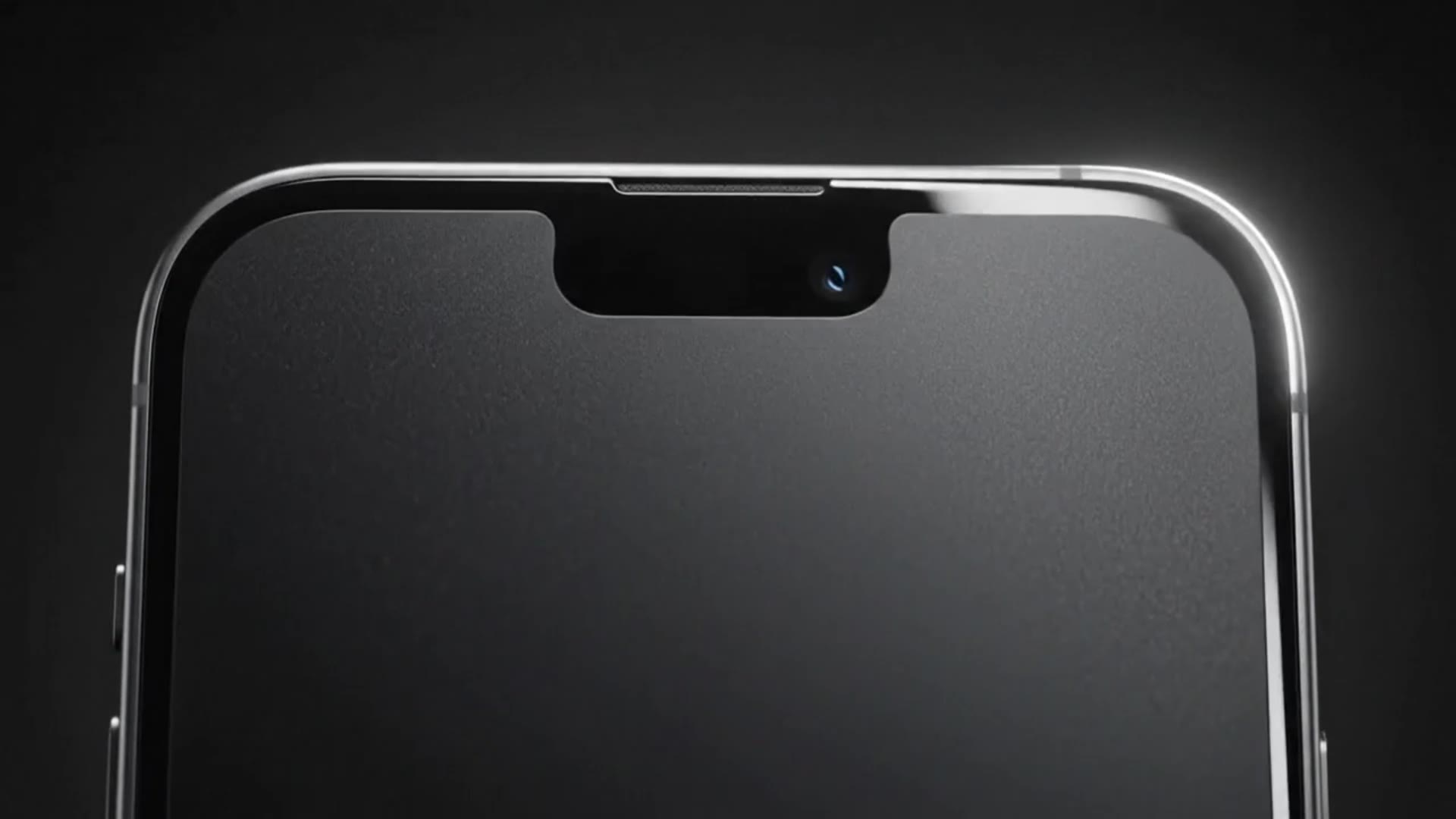
iPhone 17 Pro Max Privacy Screen Protector
Tougher than 9H · privacy, matte · Glossy / Matte (listing disagrees) · 2-pack
Reviewers say the alignment frame makes installation straightforward with little to no trapped dust or bubbles.
The catch. Some reviewers say the glass doesn't always center perfectly, leaving a thin sliver exposed on one edge.
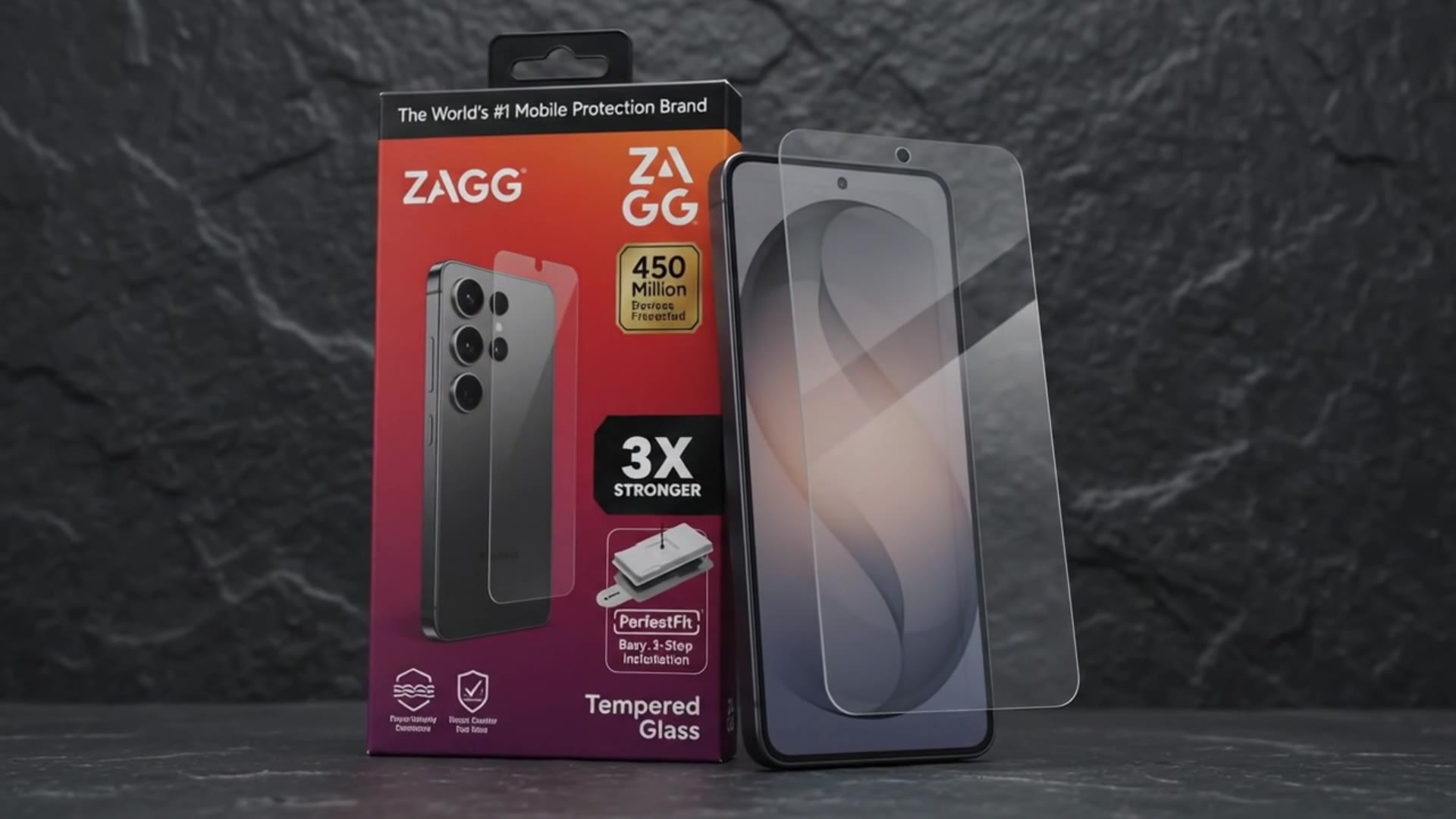
ZAGG Glass+ Samsung Galaxy S26 Ultra Screen Protector
Hard · clear · Glossy · single
Reviewers say installation is nearly seamless, with barely any bubbles and a clear, invisible finish.
The catch. Some reviewers say it cracked on its own with no drop, and the edges chipped within weeks.
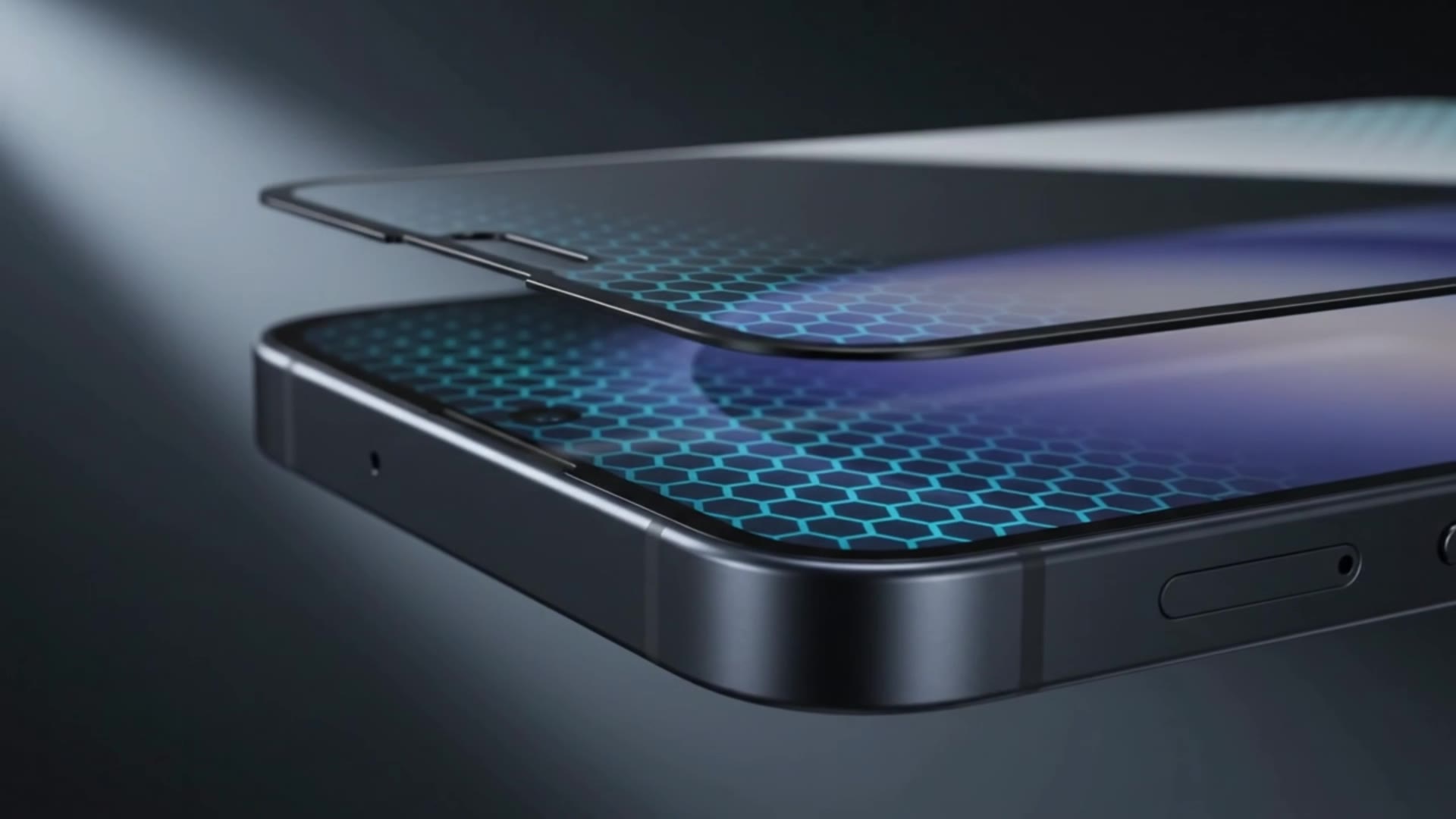
ZAGG Glass XTR5 Samsung Galaxy S26 Screen Protector
9H · anti-glare, blue light · Glossy · single
Reviewers say the install kit lines up perfectly and goes on with zero bubbles.
The catch. Some warn it cracks easily within months, and warranty replacements still cost extra shipping.
Questions people ask
- What does 9H mean on a screen protector?
It is the pencil hardness test: 9H is the hardest pencil in the set, and effectively every tempered glass passes it. It is not the Mohs scale, where 9 is nearly diamond. Phone glass sits around 6 to 7 on Mohs, and sand is a 7, which is why grit in a pocket scratches a 9H protector.
- Will a screen protector stop my phone screen from breaking?
Sometimes, and that is genuinely what it is for. Reviewers here describe drops where the protector shattered and the screen underneath was untouched. A protector that breaks in a drop has done its job. Budget for replacing it.
- My protector cracked without being dropped. Is that normal?
No, that is a defect, and it is a distinct complaint from cracking on impact. All three ZAGG products on this page carry a review reporting exactly that. Separate the two kinds of cracking when you read one-star reviews, because they mean opposite things.
- Do privacy screen protectors actually work?
Variably, and only one listing here publishes the viewing angle it blocks at, which is 24 degrees. Two of the other three draw reviews saying the screen stays readable from wider angles than expected. They also dim the screen for you, not just for the person next to you.
- Will a screen protector break my fingerprint unlock?
It can, on phones with an under-display sensor. Most are fine, some get slower, and one buyer here lost the sensor entirely. Re-register your fingerprint with the protector already fitted, which fixes most cases, and test it while the return window is open.
- Matte or glossy?
Matte cuts glare and fingerprints at some cost to sharpness and colour. Glossy keeps the screen looking like the screen. Check the reviews rather than the spec table: two listings here have Finish Type and Screen Surface Description saying opposite things.
More comparisons
- Portable Power Banks: what reviewers actually report
- Camping Tents: what reviewers actually report
- Sleeping Bags: what reviewers actually report
- Waterproof Phone Pouches: what reviewers actually report
- Phone Battery Cases: what reviewers actually report
- Car Phone Mounts: what reviewers actually report
- USB-C Wall Chargers: what reviewers actually report
- Desktop Charging Stations: what reviewers actually report
- Phone Tripods: what reviewers actually report
- Trailer Jacks: what reviewers actually report