 The Fine Print
Nothing here was tested in a lab. Every line below is a synthesis of what verified buyers report in their own reviews, including the complaints, which is the part most roundups leave out.
As an Amazon Associate we earn from qualifying purchases. Product links below are affiliate links, and the price you pay is the same either way. Full disclosure.
A sleeping bag is sold on one number and that number is close to meaningless. There is a real standard for rating them, ISO 23537, and it produces three separate figures: the temperature a sleeper is comfortable at, the temperature a sleeper survives curled up, and the temperature at which the bag is keeping someone alive rather than asleep. Budget bags are rarely tested to it, and the figure on the listing tends to sit at the wrong end of that scale.
You can see the problem without leaving the spec sheets below. On four of these seven the listing disagrees with itself, claiming a season range its own stated temperature will not support. The table shows what each seller actually published. The sections under it explain what the numbers mean and what reviewers report going wrong, which in this category is overwhelmingly one thing.
The short answer
- The one with the most evidence behind itAtarashi 3-4 Season Sleeping Bag... 4.6 stars from 622 ratings, several times the sample of anything else here, and reviewers report sleeping comfortably down into the 30s. It publishes no temperature rating at all, so those reviews are the only rating that exists. Several buyers warn the zipper jams and needs working slowly.
- Best for a tall or broad sleeperKingCamp XL Sleeping Bag for Adults... 4.3 from 493 ratings, the second largest sample in the group, cotton flannel lined, and it unzips flat into a blanket. Rated by the seller to 6'8". A few reviewers report seams starting to tear over repeated trips and the zipper sticking.
- Best for two peopleKingCamp Double Sleeping Bag... 4.4 from 162 ratings, and unlike the other double here it genuinely does split into two separate bags. Machine washable, which matters more than it sounds. One reviewer had the stitching come undone across the bag after a single wash, so wash it gently.
- Lightest to carryQEZER Down Sleeping Bag for Adults, 600... The only down bag in the group at 600 fill power, which is why it packs smaller and weighs less than any synthetic here for the same warmth. Rated 28 to 45°F. Treat the zipper as the known weakness: multiple reviewers report failures, and one says the replacement failed the same way.
- Genuinely packable, and a summer bagLightweight Compact Adult Sleeping Bag... Reviewers say it packs to about the size of a soccer ball, which is the real reason to buy it. Ignore the 3-4 season label on the listing: the seller's own temperature rating is 50 to 77°F, which is a warm-weather bag. One reviewer found it cut narrow through the shoulders.
All 7 compared
| Product | Rated for | Fill | Sleeps / fits | Rating | The catch |
|---|---|---|---|---|---|
| Atarashi 3-4 Season Sleeping Bag for Adults, Extra-Large | Not stated | Synthetic | 1 person, to 7'3" | 4.6 (622) | Several warn the zipper tends to jam, so work it slowly and don't force it. |
| QEZER Down Sleeping Bag for Adults, 600 Fill Power... | 28 to 45°F | Down, 600 fill | 1 person, to 6'0" | 4.6 (33) | Multiple reviewers report faulty zippers, with one saying even... |
| KingCamp Double Sleeping Bag for Adults, Queen 2 Person | 8 to 44°F | Synthetic, flannel lining | 2 people, to 7'0" | 4.4 (162) | One reviewer says the stitching came undone all over the bag after just... |
| KingCamp XL Sleeping Bag for Adults, Big & Tall, 100%... | 9 to 43°F | Synthetic, flannel lining | 1 person, to 6'8" | 4.3 (493) | A few reviewers say the seams started tearing after repeated trips... |
| BORULL Flannel Winter Sleeping Bag XL for Big & Tall... | Not stated | Synthetic, flannel lining | 1 person, to 7'8" | 4.3 (24) | Reviewers say it's better suited for spring and fall camping than deep winter... |
| BORULL Double Sleeping Bag Queen Size with 2 Pillows | 43 to 59°F | Synthetic | 2 people, to 7'0" | 4.1 (48) | Some reviewers say it doesn't separate into two bags like advertised, and isn't... |
| Lightweight Compact Adult Sleeping Bag for Backpacking... | 50 to 77°F | Synthetic | 1 person, to 6'7" | 4.1 (45) | One reviewer says it runs narrower than advertised, too tight for broader... |
The temperature on the label is a survival figure, not a sleep figure
ISO 23537 is the standard, and it reports three numbers. Comfort is the temperature a cold sleeper rests through the night. Limit is where a warm sleeper gets through curled up. Extreme is a hypothermia threshold, a number about not dying rather than sleeping.
Bags in this price range are usually not tested to that standard at all, and where a single figure is quoted it tends to sit near the limit or extreme end because it is the more impressive one. The working assumption is to add ten to fifteen degrees Fahrenheit to the bottom of any untested range before deciding what you can sleep in.
A brand that has paid for ISO testing says so in the listing, because it is expensive and it is a selling point. Silence is an answer.
Four of these seven listings contradict themselves
This is not a matter of interpretation. The seller's own season claim and the seller's own temperature rating, on the same page, do not agree.
The compact backpacking bag is labelled 3-4 seasons and rates itself 50 to 77°F. A bag that bottoms out at 50 degrees is a summer bag. The BORULL double lists 6 to 15 degrees Celsius in one field, which is 43 to 59°F, and 40 to 65°F in another field on the same listing, and reviewers report it is not warm enough for real cold, which is what a 43-degree floor predicts.
The flannel model has the word Winter in its product name, lists every season including winter, publishes no temperature rating, and its own reviewers say it suits spring and autumn rather than a deep freeze. The Atarashi is sold as 3-4 season with no stated rating either.
None of this makes them bad bags. Two of them are the best-reviewed things on this page. It does mean the season label is marketing copy, and the only usable temperature information for half this category is what buyers report after a cold night.
Zippers and seams are what fail, and it is not close
Across the seven bags here, four of the recurring complaints are the zipper jamming, the zipper failing outright, seams tearing after repeated trips, or stitching coming apart after a wash. The insulation is almost never the thing people complain about.
That is worth knowing because it changes what you inspect. A bag arrives, and the temptation is to leave it bagged until the trip. Run the zipper its full length both ways a dozen times instead, and look at the seam where the zipper tape meets the shell, which is where the load concentrates. A zipper that catches in your living room is a zipper that will fail at two in the morning.
One reviewer here reports that even the replacement bag had the same zipper fault, which is the signature of a design or batch problem rather than bad luck. Return windows are the practical warranty in this category.
Below about 40 degrees your pad matters more than your bag
Insulation works by trapping air in loft. The half of the bag underneath you is crushed flat by your own weight, so it traps almost nothing, and the ground pulls heat out of you by direct conduction all night.
That is what a sleeping pad's R-value is for, and it is doing roughly half the work of keeping you warm on a cold night. A good bag on bare ground is colder than a mediocre bag on a properly insulated pad. People buy a warmer bag to fix a cold night that was never the bag's fault.
If you are shopping because you were cold last time, price a pad with a higher R-value before you price a warmer bag.
Down versus synthetic, and what fill power actually measures
Only one bag here is down. Down gives more warmth per ounce and packs far smaller, which is why it is the choice when you are carrying the bag rather than driving it somewhere. Wet, it collapses and stops insulating almost entirely, and it costs more.
Synthetic is heavier and bulkier, keeps some insulating value when damp, and washes without ceremony. For car camping, where weight and pack size do not matter, synthetic is usually the sensible answer, which is what six of these seven are.
Fill power, the 600 on the down bag here, measures how much space an ounce of that down fills. It is a quality-of-loft figure, not a quantity figure. A 800-fill bag with very little down in it can be colder than a 600-fill bag stuffed generously. The number that would settle it is fill weight, and almost nobody publishes it.
Storing it compressed is what shortens its life
The stuff sack is for carrying, not for keeping. Down and synthetic fill both lose loft permanently when they sit crushed for months, and loft is the entire mechanism by which a bag is warm.
Store it hung in a closet or loose in a large cotton sack. A bag that feels colder than it did two seasons ago has usually been flattened rather than worn out.
Washing deserves the same care. One reviewer here lost the stitching across a bag after a single wash, and seams are already this category's weak point. Gentle cycle, no fabric softener, and dry it fully before it goes away.
Every one, in detail
As an Amazon Associate we earn from qualifying purchases. Product links below are affiliate links, and the price you pay is the same either way. Full disclosure.
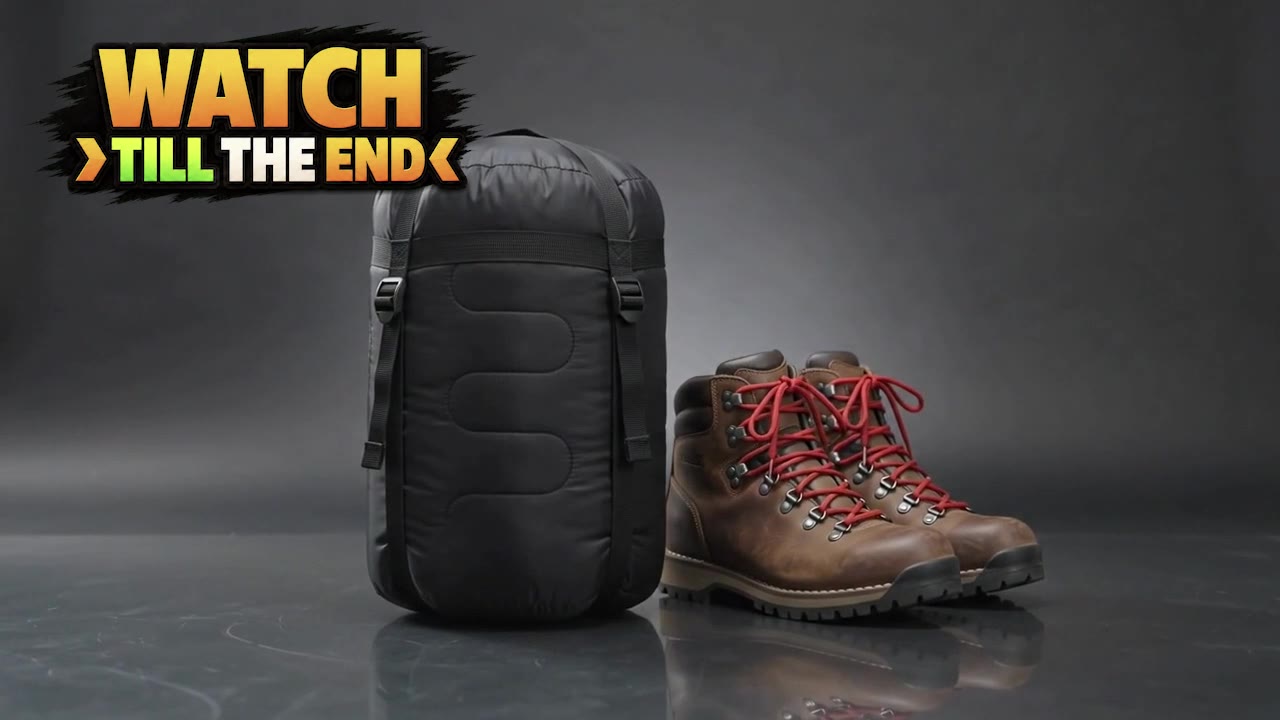
Atarashi 3-4 Season Sleeping Bag for Adults, Extra-Large
Not stated · Synthetic · 1 person, to 7'3"
Reviewers say it's genuinely warm, with some using it comfortably down into the 30s without a tent.
The catch. Several warn the zipper tends to jam, so work it slowly and don't force it.
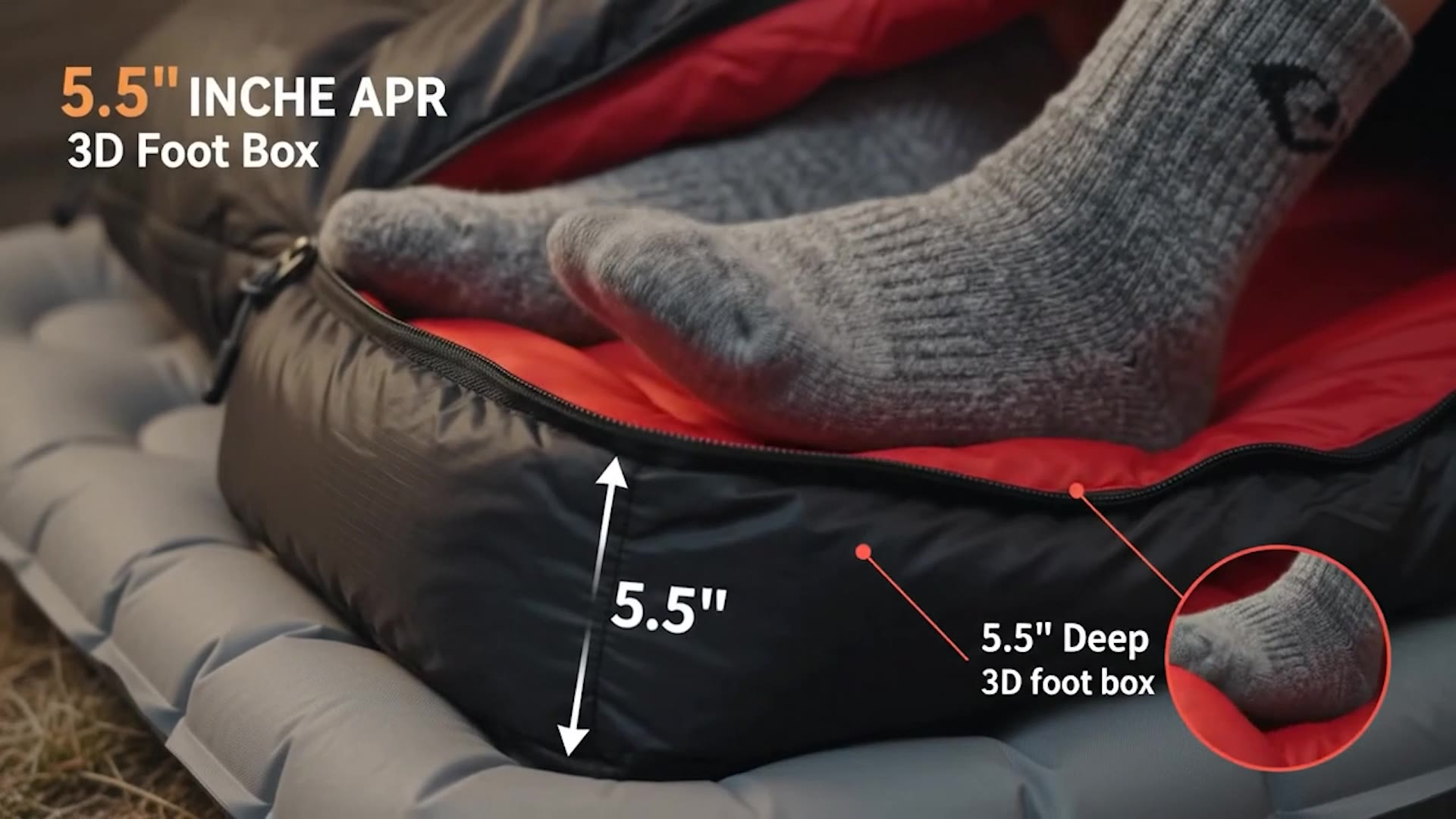
QEZER Down Sleeping Bag for Adults, 600 Fill Power Ultralight Backpacking
28 to 45°F · Down, 600 fill · 1 person, to 6'0"
Reviewers say it's genuinely warm, with one saying it kept them comfortable through a windstorm well below freezing.
The catch. Multiple reviewers report faulty zippers, with one saying even their replacement bag had the same problem.
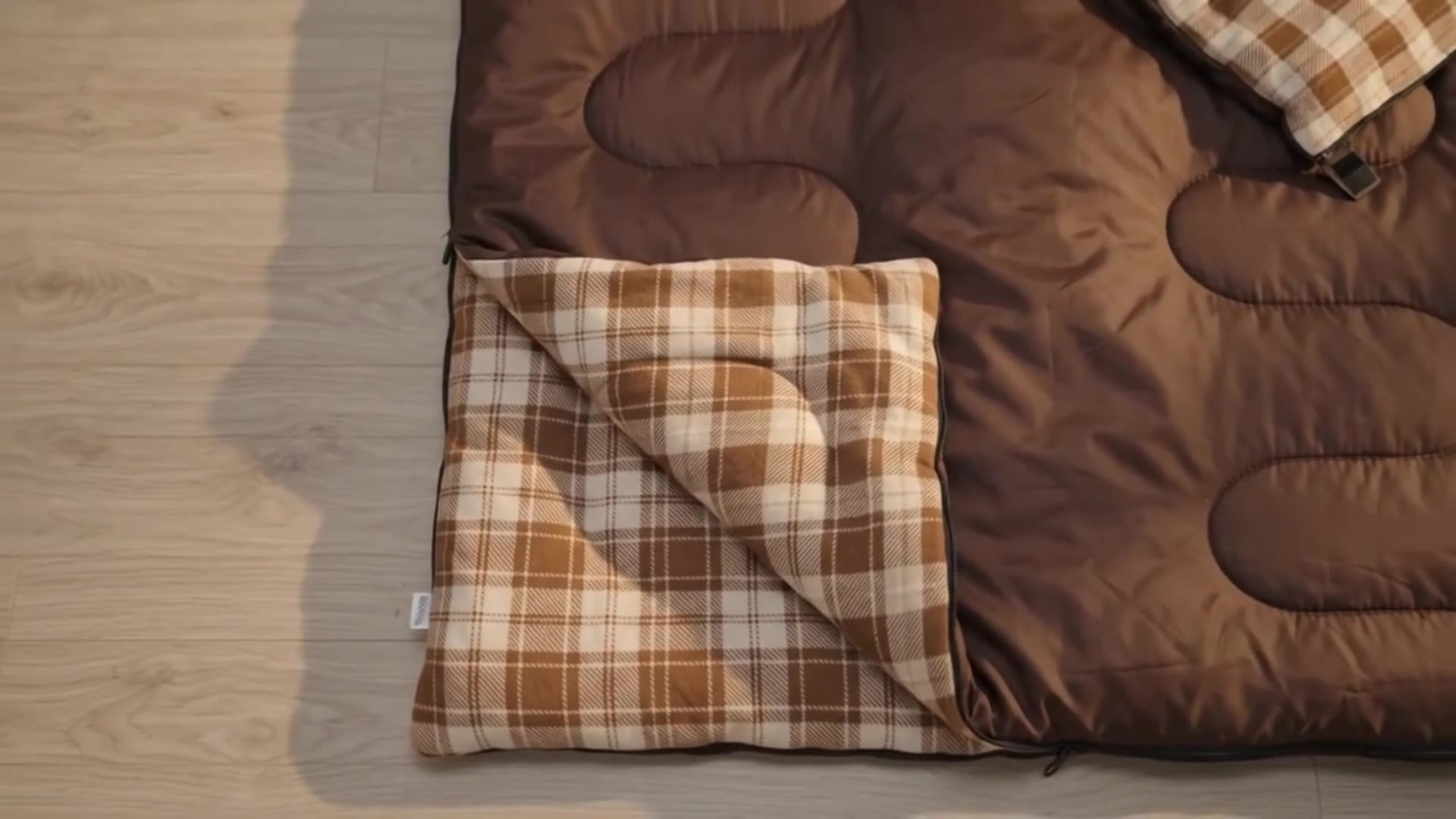
KingCamp Double Sleeping Bag for Adults, Queen 2 Person
8 to 44°F · Synthetic, flannel lining · 2 people, to 7'0"
Reviewers say it's incredibly soft and warm, and it splits apart into two bags.
The catch. One reviewer says the stitching came undone all over the bag after just a single wash.
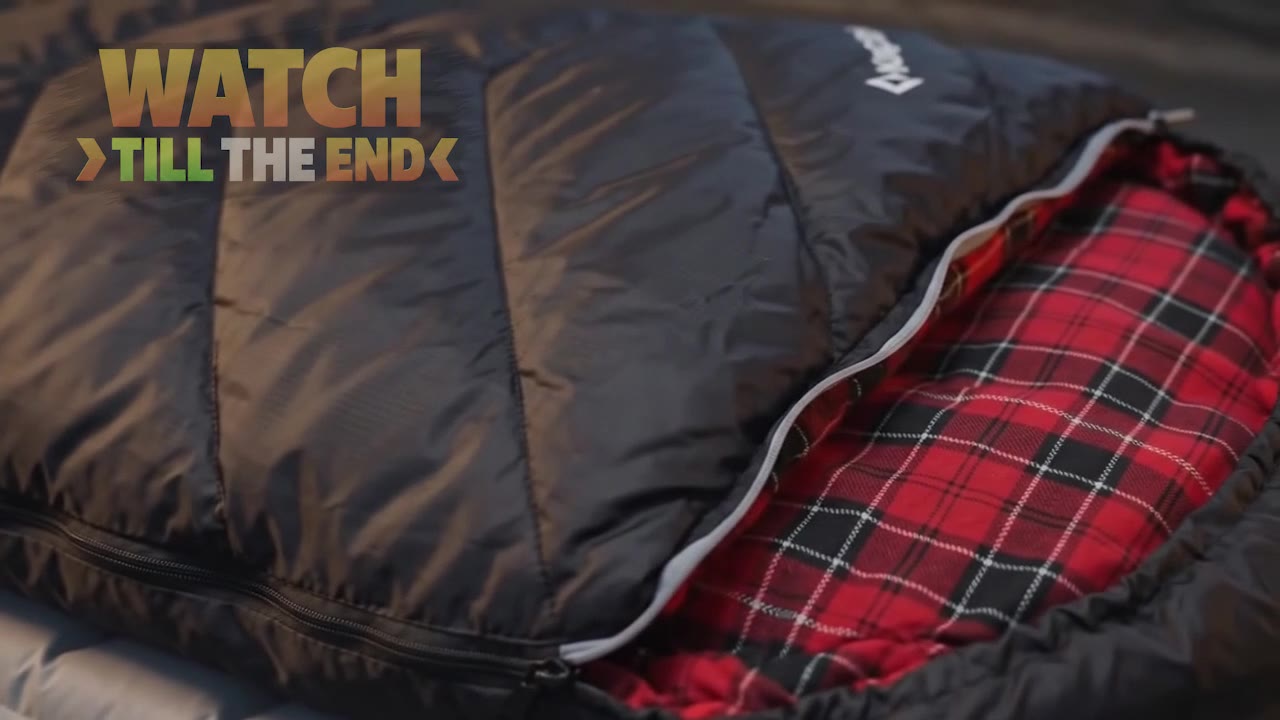
KingCamp XL Sleeping Bag for Adults, Big & Tall, 100% Flannel
9 to 43°F · Synthetic, flannel lining · 1 person, to 6'8"
Buyers say it's roomy enough for bigger and taller sleepers, with a soft cotton flannel lining that keeps them warm through cold nights.
The catch. A few reviewers say the seams started tearing after repeated trips, and the zipper can stick.

BORULL Flannel Winter Sleeping Bag XL for Big & Tall Adults
Not stated · Synthetic, flannel lining · 1 person, to 7'8"
Reviewers say the flannel lining feels soft and keeps them warm even in cold nights.
The catch. Reviewers say it's better suited for spring and fall camping than deep winter freezes.
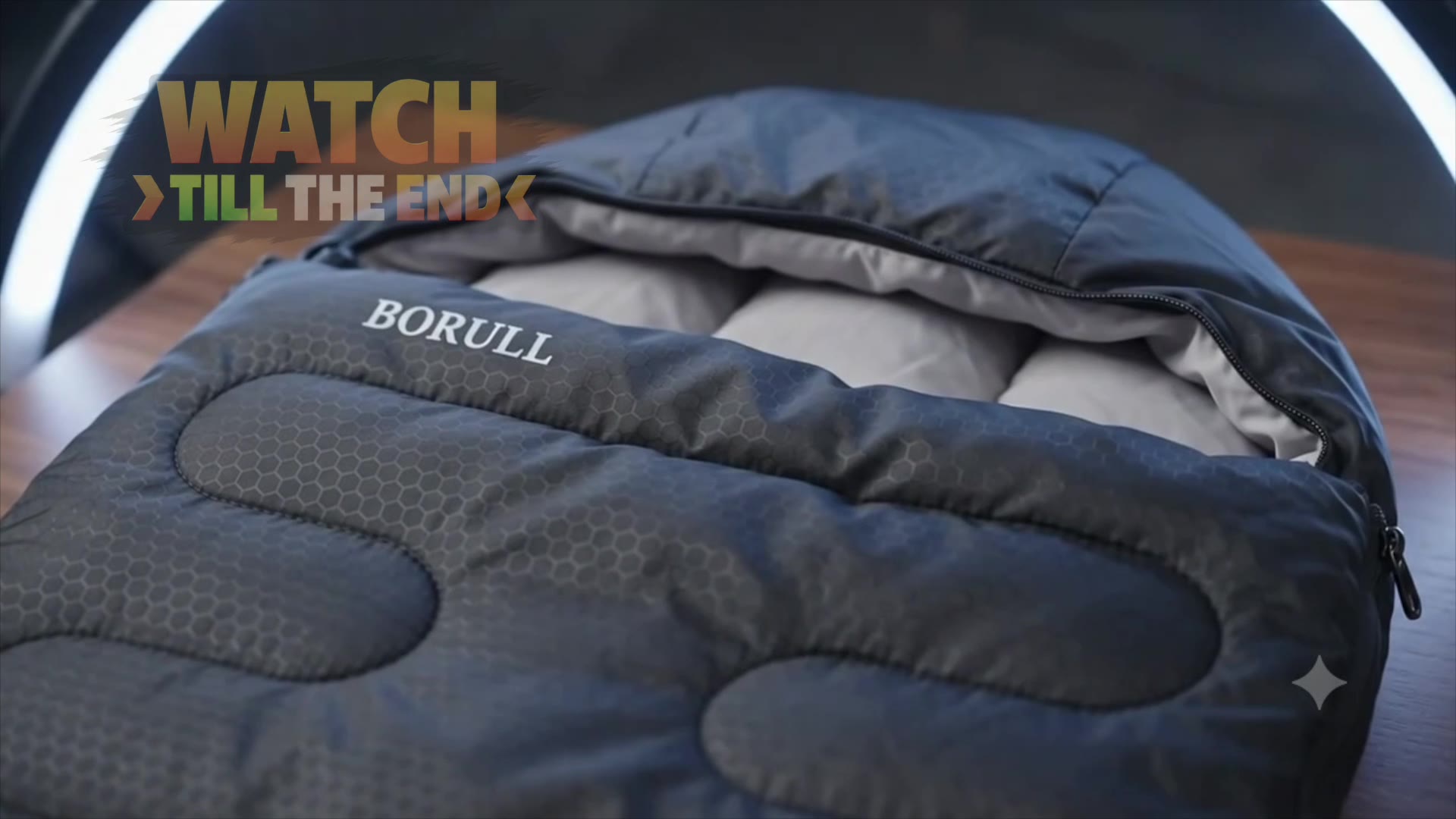
BORULL Double Sleeping Bag Queen Size with 2 Pillows
43 to 59°F · Synthetic · 2 people, to 7'0"
Reviewers say it's warm and roomy enough for two adults to sleep comfortably.
The catch. Some reviewers say it doesn't separate into two bags like advertised, and isn't warm enough for real cold.

Lightweight Compact Adult Sleeping Bag for Backpacking, Camping & Hiking
50 to 77°F · Synthetic · 1 person, to 6'7"
Reviewers say it's incredibly light and compact, packing down to the size of a soccer ball for backpacking.
The catch. One reviewer says it runs narrower than advertised, too tight for broader shoulders.
Questions people ask
- What temperature can I actually sleep in a 20-degree bag?
Assume warmer than the label. If the bag is ISO 23537 tested, use the comfort figure rather than the headline one. If it is untested, which most budget bags are, add ten to fifteen degrees Fahrenheit to the bottom of the stated range before trusting it.
- Why do two numbers on the same listing disagree?
Because nothing forces them to agree. The season label is marketing copy and the temperature range is a separate field, often filled in by a different person or converted from Celsius. Four of the seven bags on this page contradict themselves that way. Trust the temperature number over the season word, and trust cold-weather reviews over both.
- Should I get down or synthetic?
Down if you are carrying it any distance and can keep it dry, since it is warmer per ounce and packs much smaller. Synthetic if you are car camping, expect damp, or want to wash it without thinking. Down that gets soaked stops insulating.
- Do I really need a sleeping pad?
Below about 40 degrees, yes, and it matters more than the bag's rating. The insulation under you is crushed flat by your weight and does almost nothing, so the ground takes heat straight out of you. A pad's R-value is doing roughly half the job.
- Can I wash a sleeping bag?
Usually, and some here are explicitly machine washable, but this is the category where seams fail. Gentle cycle, no fabric softener, and dry it completely. One reviewer on this page had the stitching come apart across the whole bag after one wash.
- Why do sleeping bag zippers fail so often?
The zipper takes the entire load of the bag being opened, closed and rolled, usually in the dark and often while someone is lying on it. It is the single most reported failure here. Work a new zipper its full length repeatedly when it arrives, while you are still inside the return window.
More comparisons
- Portable Power Banks: what reviewers actually report
- Camping Tents: what reviewers actually report
- Waterproof Phone Pouches: what reviewers actually report
- Phone Battery Cases: what reviewers actually report
- Car Phone Mounts: what reviewers actually report
- Phone Screen Protectors: what reviewers actually report
- USB-C Wall Chargers: what reviewers actually report
- Desktop Charging Stations: what reviewers actually report
- Phone Tripods: what reviewers actually report
- Trailer Jacks: what reviewers actually report